Tag Archives: San Jose

Team Tuesday Spotlight: Alcides – The Guardian

Vol. 3

This post is part of our #TeamTuesday series, highlighting the incredible people who make the Costa Rican Humanitarian Foundation what it is.

By Jacob Killburg

Alcides

Alcides Antonio López was born in northern Nicaragua and grew up during the Contra War. With his father away, Alcides began working at age six, helping on farms by planting crops and caring for animals. He remembers the sound of gunfire, moving often for safety, and attending school for only three months. One of his sisters died at age seven when a bomb fell nearby. Alcides describes those years as a time of constant work and responsibility, with little room for childhood.

Since leaving Nicaragua in 2000 in search of a better life, Alcides has moved between Nicaragua and Costa Rica in response to economic hardship and political unrest, ultimately resettling in Costa Rica in 2018 as a refugee with a work permit.

Alcides remembers the exact day, July 28th, 2020, when he approached Gail for the first time.  She invited him to carry boxes of vegetables and organize different spaces. From that day, his roles have expanded and he has become a full time collaborator. He feels a deep sense of pride and ownership in helping with food distribution, managing the Foundation’s nearby recycled clothing shop, and coordinating volunteer outreach. “For me, the Foundation comes first. I’m giving my all here — until God decides my time is done.”

Alcides is the guardian of eight children who he has taken in as his own. To those children and many others in the community, Alcides hopes to instill a value he says should guide every interaction: respecting and treating everyone well, regardless of age or status.

After many years without schooling, Alcides is now studying literacy at a university in San José. “It means everything to me,” he said. “I want to better myself, to prepare for my future, my life, my family.” Returning to education has helped him communicate more confidently and connect with people in new ways.

He defines leadership as caring for others, whether it be within his family or for his community. He hopes the Foundation will keep growing with new support to improve La Carpio, and believes the current team is strong and ready to carry on that mission for years to come.

“For me,” Alcides says, “the Foundation is my family, my home, and my purpose.”

Team Tuesday Spotlight: Milagro – Kindness For All

Vol. 2

This post is part of our #TeamTuesday series, highlighting the incredible people who make the Costa Rican Humanitarian Foundation what it is.

By Jacob Killburg

Milagro

Milagro López de Lira grew up in Granada, Nicaragua—a place she remembers as beautiful and full of life, even amid hardship. Her childhood was marked by poverty and early responsibility. With her father absent, she stopped going to school after third grade to help her mother make and sell tortillas so their family could put food on the table. As a teenager, she suffered abuse, becoming pregnant at twelve and losing the baby after physical violence.

Still, she pressed on, later meeting the father of her eight children. Together they moved to Costa Rica seeking stability. But over time, violence returned to her life, and while pregnant with her youngest she made the brave choice to report her partner to Costa Rican authorities, and raise her children alone. She was one of the first women in La Carpio to do so, and she now continues forward safely, her children being the center of her world.

Milagro was once a customer of the foundation’s food program, but one morning, when the team was short-staffed, she volunteered to help clean crates. That gesture opened a door. Over time, she has become part of the Foundation’s daily rhythm. Organizing and distributing food, she brings warmth to every visitor. She says she uses the same bright, affectionate attitude she learned to express while selling tortillas as a child. Whether the person in front of her is wealthy, struggling, angry, or kind, Milagro treats them the same.

At home, her pride in her children is immense. The older ones have moved out, building their own lives; the younger ones are still in school. She teaches them to share what they have and treat others with compassion.

Music is the heartbeat of her life. Her home is always filled with sound as she cooks and spends time with her kids. Most days she plays music through the foundation speaker, encouraging even the most timid to bust out a dance move. “It gives me energy,” she says. “It makes me feel like myself.”

Faith, gratitude, and kindness are the pillars of Milagro’s life. Measuring her worth in how well she’s cared for her children and how she treats others, she (literally) dances through life, bringing everyone around her along for the ride.

CRHF 2025 4th Quarter Newsletter

Fourth Quarter

The fourth quarter was highlighted by graduations and holiday celebrations. Throughout this period, we continued our work across food security, housing, health, education, sports, and community development programs in Costa Rica.

Food

Our food program continues to provide nutritious meals to thousands of people across Costa Rica. Thanks to AutoMercado and our private donors who are making this essential program possible. We encourage anyone living in Costa Rica to consider supporting AutoMercado for your grocery needs.

As we continue to see an uptick in people living on the streets of San José, we continued to provide pop-up kitchens. These take place in areas known to be frequented by these populations. This increase is due in part to migratory restrictions being imposed by a number of countries. Costa Rica continues to stand shoulder to shoulder with those seeking refuge in an ever more uncertain world.

A large number of the people we support on the streets are Venezuelan returnees who are in limbo while they try to figure out whether to head home or stay in Costa Rica until they can find more adequate and secure futures. We are also supporting Venezuelans who come to La Carpio looking for our support. Many single women with children are arriving looking for ways to eat, make money, and become independent.

Our hot meal program for the families of Río Torres continued to run strong through the end of the year. One of the areas in La Carpio with the highest indices of poverty, we are trying to find a permanent solution for their housing, which is under constant threat from landslides and river flooding.

Casa Ilori, located in La Carpio and one of the organizations we have had many collaborations with, also benefits from our food program. We provide the youth they work with daily meals, offering the nutrition needed to grow healthy and develop academic skills in more ideal environments.

Housing

During the end of the year and the beginning of the new school year, single mothers must incur significant expenses for school materials and gifts for their children. To ensure families have a prosperous Christmas, we provide rent relief, mainly to single-mother heads of household who might otherwise not have the funds or would have to make difficult choices.

Río Torres continues to be our focus for the medium- and long-term housing project. We have an estimate of the cost to develop this program and are looking for funding. With the rain receding, the urgency lessens; however, the risk posed by landslides and flooding for the community of Río Torres is still very real.

Health and Health Education

During our visit to Amubri, we were able to provide comfort and assistance during the spay and neuter clinic put on by visiting veterinarians. We encourage and support these efforts in many communities, including La Carpio.

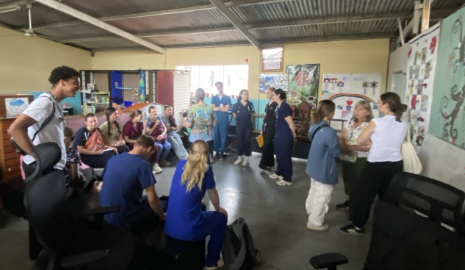
At the beginning of the fourth quarter, we had the visit of a group of medics and dentists in La Carpio who provided much-needed care. The beneficiaries were especially grateful for the dental work, as this is not a service that’s readily available for our populations.

Our dear friends of Quiropráctico La Carpio continue to support us and provide wonderful relief to aching bodies. They also visited with their son Zander this time, who worked construction to save up to come to Costa Rica and give back to La Carpio.

During the holiday season, we had a visit from our friends from the Democrats Abroad club. Carla, her husband, and their friends provided the amazing service of sacrocranial and massage therapy. Collaborators enjoyed these sessions as a treat for their hard work during the year.

Education

Indigenous

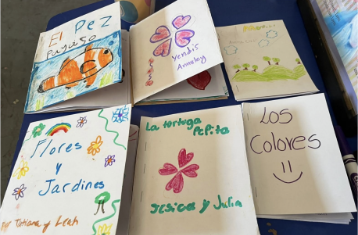
As we return to our roots of working with indigenous, coastal, and rural populations, we are sharing the importance of literature, reading comprehension, and analysis. During this period, we visited Amubri and worked with local teachers to implement Gail’s My Book Is My Friend program.

My Book Is My Friend is a program Gail has been working on as a lifelong project. Based on a set of children’s books she wrote throughout her time in Costa Rica, this program focuses on literature, art, reading comprehension, and the human–nature connection. The Cabécar community also benefited from this program. Both communities were ecstatic about the program, and some leaders even asked to take the program back to their communities. We welcome any support for this program.

We are slowly but surely moving forward with the renovation of the Family Well-Being Center and Library in Amubri. As you may know, it served as the home of two German priests beginning in the early 1950s. The structure remains in good condition, and we plan to use it as a cultural center for the community. The library will foster literature about, for and by indigenous populations. A local community member is interested in managing the library, and the community supports the effort, recognizing the importance of cultural preservation.

La Carpio

In La Carpio, our youth development programs continue to provide healthy and educational environments for children in the community. A highlight of our programs this year is our focus on sharing information about the world. In part, we do this so our youth become familiar with the beauty found in the diversity our planet has to offer. We particularly enjoy learning about Africa, where our sister organization, Wells Mountain Initiative, has its main operations.

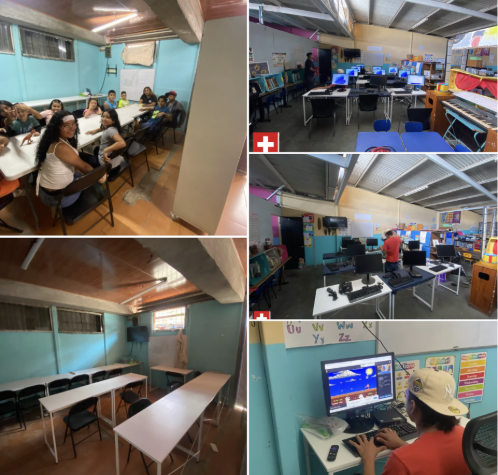
Our computer classes are a complete success. We have graduated our first cohort, who learned typing skills and the Microsoft Suite, including how to make Excel charts and graphs. Marisol continues to lead this program, sponsored in part by EBI, the company that runs the local landfill.

Our Sunday English and Pizza program is also proving successful. Getting youth interested in spending their free time learning English has been a challenge over the years. Our Quiropráctico friends sponsored the pizza for this program, which seems to be key to getting youth to attend classes on a regular basis.

Both the youth in the English and computer classes enjoyed an outing at the end of the year to celebrate their dedication to completing and excelling in the classes. Through these programs, we are providing youth with tools required for an increasingly demanding skilled labor market.

A bright student from Blue Valley School who is hoping to transition to the United World College curriculum presented us with a project to provide youth with resources for achieving higher education. Mariana also carried out research on learning conditions for youth in La Carpio as an initial effort to improve conditions. She produced a website that youth can benefit from into the future: https://portaleducativo.info/.

Sports

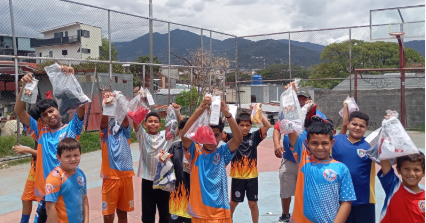
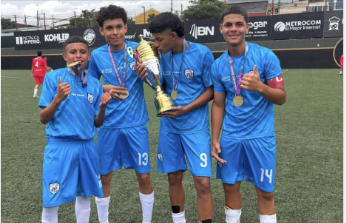
Our sports program continues to thrive. We held our year-end celebrations for Liga Rescate La Carpio. We also celebrated the boys’ birthdays each month and provided families with a basic food basket to take home. Many participants are beginning to show interest in the computer and English programs as they transition from adolescence to adulthood. And of course as with every year, we were champions and sub-shampions in all categories.

SMEs, CSR, and Capacity Building

Angeli and Marisol continue to grow their skill sets in teaching and computing. As they take courses and learn through self-teaching, our youth benefit exponentially.

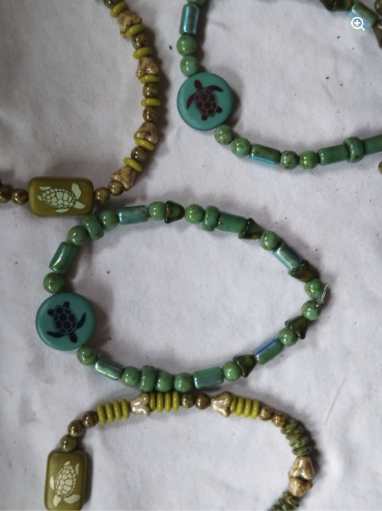
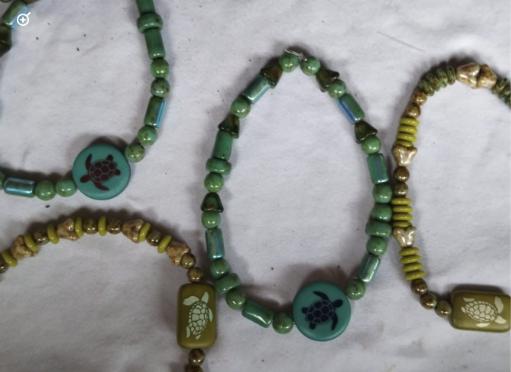
We continue to work with the Abuelas arts and crafts initiative, including improving and diversifying the products. Several individuals are providing valuable feedback to help make the products more marketable. Not only the Abuelas benefit, but many local artisans also benefit from these sales.

More local businesses have been contacting us about the possibility of supporting our work. This quarter, JIRON, a large mattress manufacturer, contacted us to donate face masks. We were also contacted by a shoemaker, and we look forward to sharing more about that collaboration soon. We always welcome support from local and international companies.

Empathy, Compassion, Right Action

As the apex of our Model of Development, we focus on highlighting the importance of empathy, compassion, and giving back through Right Action. In this phase of the model, we highlight the volunteers and supporters who make our work possible.

Volunteers

Stena returned to help us during our busy end-of-year celebrations.

Jake has been accepted into medical school and continues to support our programs. Recently, he created short biographies of collaborators to share on social media.

Shaye completed her four months with us, working closely with youth in La Carpio and stepping up when we most needed her. Fresh out of high school, she is paving the way as a leader in social causes.

Kay from New Jersey, who is studying in Costa Rica, also joined us during the end of the year and provided important support.

Louise (Luisa) from Canada joined us for a couple of weeks, working in youth development and supporting our many celebrations.

Troy University continues to support our health and health education program. Their visit provided important support to our populations in La Carpio.

Zander, the son of Quiropráctico La Carpio, also demonstrated strong leadership and empathy by saving up to make the trip to Costa Rica and support our work for several months.

Right Action

Through our Quiropráctico partners, youth in La Carpio had a virtual call with their counterparts in Minnesota. They are now pen pals and are looking forward to building lasting connections.

Colchones JIRON donated face masks, which we can use during health campaigns and periods of increased respiratory illness.

In the town of Grecia, the expatriate community lost one of its dear artist members. In his honor and at his request, they hosted a silent auction of some of his works, with the proceeds donated to the Foundation.

Every year since our beginning, we have provided marginalized youth with caring Christmas activities, including games, food, dessert, and presents. This year, we hosted nearly 2,000 youth. From La Carpio where our main projects, all the way out to sea to the indigenous community living on Isla Chira, BriBri and to Parrita, we shared gifts, food, fun, love and hope to the youth of Costa Rica.

Supporters

To our supporters—donors, volunteers, those cheering us on, praying for us, and following our social media—thank you from the entire team and beneficiaries of the Costa Rican Humanitarian Foundation. No matter how small or large your support is, know that you are making a difference.

Looking Forward to 2026

Volunteers

As we begin the volunteer high season and the year 2026, we have a number of hopes and dreams. We look forward to continuing to strengthen our support of indigenous populations. Through Casa Quetzal and My Book Is My Friend, we are shifting our focus toward cultural sharing, recuperation, and preservation. We want to ensure that the vital knowledge held by indigenous communities—including knowledge related to health, sustainability, and cosmovision—continues to benefit the world.

La Carpio

We hope to strengthen our La Carpio programs with a focus on care for seniors and preparing youth for higher education and the labor market. Despite a general uptick in crime in Costa Rica, especially in marginalized communities, La Carpio and its population have largely maintained their culture over time. We aim to continue providing youth with healthy environments and opportunities that support a peaceful community.

Coastal and Rural Communities

In our work with coastal communities, we look forward to defining the future of our program in Uvita. We decided that we must hire a local teacher who can begin youth development courses, including tutoring and before- and after-school care. We are beginning the process of recruiting someone to start the program in conjunction with the beginning of the public school year in mid-February 2026. We hope to expand this program with the support of visitors and local community members and that the community will both receive and join us in our efforts to improve local livelihoods.

Casa Quetzal

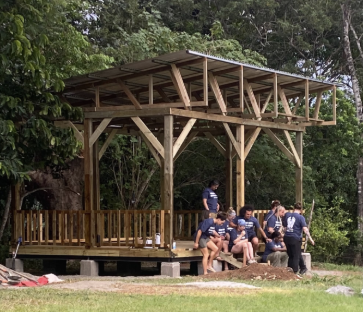
Casa Quetzal continues to develop organically. In 2026, we will be hosting our first large group at Casa Quetzal for a week, who will also be building an indigenous community center. This space will serve as a place for indigenous leaders from different groups to come together, share knowledge, and connect with visitors from across Costa Rica and around the world.

Call to Action

As the high season begins, we would like to invite visitors to Costa Rica to support our work by volunteering and providing goods and services. Our spring break and summer programs are a great way to get to know the country, its people, and to give back. These experiences are deeply rewarding and often remain lifelong memories.

Whether you are an individual, a group of friends, a family, or part of a university program, we welcome you to learn about our work, experience Costa Rica, and give back to the community.

As part of our four core values—cost efficiency and transparency—we work to ensure that the greatest possible portion of funds reaches those who need it most and creates the greatest impact. With this in mind, we would like to thank our recurring monthly and yearly donors. These donations provide stable income that allows us to strengthen programs and plan for medium- and long-term goals. We invite anyone interested in supporting our work to explore recurring donation options.

We now also offer the option to donate via cryptocurrency. Tax-deductible donations continue to be available through our sister organization, Wells Mountain Initiative, and PayPal remains a preferred option for recurring donations.

We’ll be publishing our 2025 Year End Report soon.

Conclusion

As we close the fourth quarter and reflect on the year, we are grateful for the continued commitment of our communities, partners, volunteers, and supporters. The work reflected in this report represents collective effort and shared values.

We look forward to continuing this work in the coming year and thank all those who walk alongside us in service, compassion, and Right Action.

The Power of One: How Volunteers Change Lives (Including Their Own)

Post #2 —

Series: The Heart of Humanitarian Action

When people think of humanitarian work, they often picture food drives, construction projects, or educational programs — but the true power behind every successful initiative is much simpler: people helping people.

At the Costa Rican Humanitarian Foundation (CRHF), we have seen firsthand that one person can change a life.
Sometimes forever.

From university interns and medical brigades to families traveling from abroad or Costa Ricans seeking to give back, volunteers arrive with one intention:

“I want to make a difference.”

What many don’t expect is that the experience changes them just as deeply.

Stories of Transformation

We have welcomed thousands of volunteers over the years — teachers, doctors, engineers, retirees, teenagers, and people who simply felt called to help.

They’ve helped with:

  • Food distribution for families experiencing homelessness in San José
  • Health education, nutrition support, and medical care in Indigenous communities
  • Early childhood enrichment and literacy programs in La Carpio
  • Construction and repairs for families living in unsafe housing
  • Mentorship, emotional support, and therapy-based play programs for youth

Every act — whether teaching a child to read, cleaning a wound, or building a safe place to sleep — becomes part of a lasting story of dignity and opportunity.

One volunteer said it best:

“I came to help others, but I left with a new understanding of humanity, compassion, and myself.”

Where Volunteers Make the Greatest Impact

💜 La Carpio: A Community of Strength

Once labeled one of Costa Rica’s most marginalized neighborhoods, La Carpio is now a place of resilience because people showed up — again, and again, and again.

🌿 Indigenous Communities (Bribri, Cabécar & others)

Support includes access to healthcare, education, culturally respectful development, emergency supplies, and constructing safe housing.

🏙 San José’s Homeless Population

Volunteers help distribute meals, hygiene kits, and warm clothing — and most importantly, share moments of human connection with individuals forgotten by society.

👶 Early Childhood Development & Education Programs

Play-based learning, Montessori-inspired environments, and emotional literacy programs help break intergenerational poverty.

Volunteering Creates Lifelong Advocates

Some volunteers return every year.
Others go home and raise funds, sponsor children, or start programs in their own communities.

Why?

Because once you’ve seen what dignity looks like in action — you don’t forget it.

Why Donors Make This Possible

While volunteers give their time and heart, donors provide what keeps the work going:

📖 educational supplies
🥦 food for families in crisis
🏥 medical support
👷🏽‍♀️ construction materials
📝 staff and logistics resources

Together — donors and volunteers form a bridge of compassion.

And that bridge changes lives.

❤️ Want to Create Impact?

Whether you give time, resources, or funding, your contribution becomes part of someone else’s story of hope.

Click here to join our volunteer program.

🟣 Donate or Partner With Us Today

How Your Donation Transforms Lives in Costa Rica Vol. 1

“Gracias por compartir nuestro sueño — Thank you for sharing our dream.”

Every donation — large or small — gives something money can’t measure: time, health, education, and hope. At the Costa Rican Humanitarian Foundation, we work alongside families and local leaders in La Carpio, the coastal region, rural communities and indigenous peoples, focusing on early childhood education, community health, and infrastructure projects that improve daily life.

A Story of Change

Recently, volunteers delivered bunk beds and school materials to a family in La Carpio. Two young girls who once studied on the floor now have a safe space to rest and learn. For their mother, this meant peace of mind and the ability to focus on work. Small actions ripple outward, multiplying opportunities.

What Your Donation Provides


• Health & Nutrition: medical care, preventive care, food banks and community kitchens.
• Infrastructure: safe beds, floors, walls and roofs that improve daily living environments.
Early Childhood and Adolescent Education: supplies, teacher training, and safe spaces where children build essential skills.
• Arts and Sports: Trainings, coaches, refreshments, outings, games and championship fees are all part of our 150+ youth sports program. Arts from theatre to music and painting, we provide all the materials to develop the creative mind.
• Volunteer Support: transportation, tools, and coordination that make grassroots action sustainable. As part of our secondary mission, we hope to strengthen visitors skills and to foster greater sensitivity in populations providing services.

Transparency You Can Trust

We know trust matters when you choose to donate. That’s why we publish photos, reports, and testimonies of every project. Our web and blog page, social media, quarterly and yearly reports shows where your money goes — with before-and-after results you can see. Financial reports are provided upon request.

Why Stories Work

Statistics matter, but stories connect. Sharing real people’s journeys helps donors feel part of something bigger — a proven method used by leading organizations worldwide to inspire giving.

How You Can Help Today

Donate Now — Fuel urgent and ongoing projects.
Become a Monthly Donor — Build long-term stability.
Volunteer With Us — Join us if you’re planning on visiting or in Costa Rica.
• Share This Story — Spreading the word is also givjing.

Donate

Thank you for sharing our dream!

CRHF 2025 2nd Quarter Newsletter

It has been a very busy 2025. Halfway through the year already, and we have a lot to tell! We would like to start by dedicating this newsletter to our supporters who continue to provide us with the resources to carry out our programs. During these very challenging times for everyone, your unfettered moral, financial, and volunteer support shows that you are the brave souls who rise above and provide a safety net during difficult moments. Thank you.

We’ve had a busy summer volunteer program!

🌱 Annual Fundraiser Update

At the end of our 2025 1st quarter newsletter, we announced our annual fundraiser. Unfortunately, due to a number of factors, we canceled the event. We refunded ticket fees to those who purchased them, and we are grateful to the Marriott Hotel for waiving charges.

📚 Youth Development & Education

We continued our work in youth development, providing tutoring and supplemental support that aligns with the public school curriculum, including English, math, science, history, art, and theater.

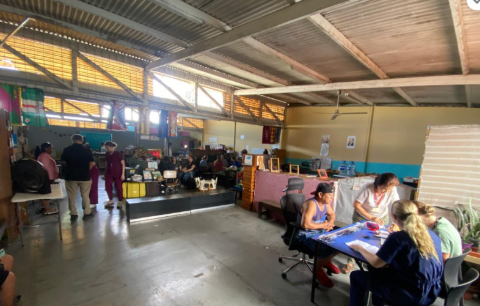
We were very excited to finally receive the computers for our computer lab! Donated by our dear friend Julio, we can now offer introductory classes in Word, Excel, and typing to our beneficiaries. This program, led by Marisol, is helping us expand our capacity-building operations. The computer lab is housed in the Centro Modelo building next to the police station.

🎨 Volunteer Support & Improvements

Spring break brought a group of kind and caring volunteers to our centers in La Carpio. They helped with various tasks, including painting the Centro Modelo and the police station.

The Centro Modelo and all our centers received much care during this time. Spring cleaning brought a fresh look for our beneficiaries and volunteers to enjoy. We cleared out two storage closets, creating better spaces for Drs. Joe and Patrick and friends to carry out their chiropractic work.

👵 Abuelas & Community Theatre

The abuelas continue to put on new and creative plays sharing their stories. These performances inspire and provide emotional support to the senior population of La Carpio.

📲 Social Media Initiatives

Last year we featured Success Stories from the Field, highlighting how our work creates sustainable solutions. This year, we’ve launched a new series on Early Childhood Development, aiming to create a more educational and inspiring social media space. Don’t forget to like, share, and tag us!

🛏 Bunk Bed Program

We continue to provide bunk beds through one of our critical needs programs. While demand is not what it was when we started 20+ years ago, we still find urgent situations in La Carpio and with new arrivals that require improved sleeping conditions. Thanks to all the volunteers who participate—a simple act can change a life.

🫱 Volunteer Education & Partnerships

As part of our secondary mission, we work with volunteers to show them the realities we live every day and foster greater sensitivity to our beneficiary populations. We demonstrate our model of development and discuss the challenges faced by La Carpio, Costa Rica, and beyond.

We were excited to welcome for our summer volunteer program:
• Franz and Elizabeth, who brought us several volunteer groups this year that have greatly contributed to youth development. Their ongoing support has been vital in enriching the educational experiences of our children.
• A wonderful group of middle school volunteers from the European School. We thank them for their fundraising efforts, donations, and the work they did painting the computer lab and police station, as well as supporting youth development.
• Jacob, a pre-med individual volunteer, is sorting through years of medical records from our former clinic. His work helps preserve our legacy while gaining valuable insight for his medical career.
• Friends from Central Connecticut State University, who contributed to painting efforts and learned about our community.
• Texas Tech honors students, who shadowed our collaborators across food, shelter, health, education, and sports programs. They also gave a professional presentation to their fellow scholars about our main pillars of food, shelter, and health.

💛 Health, Wellness, & Relief

Our health education program has been a key focus this quarter. Led by Gail and Steven, these sessions provide preventative healthcare education, teaching about:
• body systems and organ function
• healthy nutrition, including using smoothies for better health
• the benefits of honey and other nutritious foods
• hormones related to menopause and other health concerns

Steven creates helpful visuals, and together they answer participants’ questions to promote better health awareness.

Our visiting doctors program returned, and alongside it we distributed hygiene kits to reinforce the importance of self-care and prevention.

Our partnership with Visit.org resulted in the donation of 50 teddy bears, which have already been distributed to our regular students, and the hygiene kits that complemented our health outreach efforts.

Our elderly population especially benefited from the interaction with the yoga teachers from Lakshmi Rising, who helped them gently stretch dormant muscles, bringing comfort and vitality.

Our chiropractor friends Joe, Patrick and their spouses Nicolle and Ericka, have been a delight to host as part of our family volunteer program. They have supported youth development and the bunk bed program.

🪶 Casa Quetzal

We have some very exciting news coming for Casa Quetzal. We have been a bit quiet on this, but we continue to open our doors to the world from our Casa Quetzal Conference and Retreat Center.

💬 A Final Word

Overall, we had a productive and inspiring spring 2025. We are deeply grateful for everyone who visited and supported us during these challenging times. We always aim to make visits mutually beneficial—enriching both visitors and our community.

Our programs support over 500 youth in La Carpio through education and sports, and we provide fresh fruits, vegetables and meats, home improvements, emergency medical care, seed money for small business enterprises, and emergency relief to over 500 people a week.

👉 Please consider supporting our work this year—whether through a donation or volunteering. Your help ensures we can continue addressing food security, safe housing, stronger health, quality education, sports, and emergency relief.

📧 Contact us at fundacionhumanitariacr@gmail.com to learn how you can help.
We offer tax-exempt donation options in both Costa Rica and the United States.

Thank you for your continued generosity and for shining your light when it’s needed most!

Make a Difference This Summer 2025: Volunteer with the Costa Rican Humanitarian Foundation

If you’re seeking a meaningful way to spend your summer, consider joining the Costa Rican Humanitarian Foundation (CRHF) in our mission to uplift vulnerable communities across Costa Rica. Our summer volunteer program offers a unique opportunity to immerse yourself in local culture while contributing to impactful projects in education, healthcare, and community development.

🤝 Why Choose CRHF’s Summer Volunteer Program?

Established over 30 years ago, CRHF has been a cornerstone in providing support to marginalized populations in Costa Rica. Our summer volunteer program is designed to engage individuals in hands-on projects that address real community needs. Whether you’re passionate about teaching, healthcare, or infrastructure, there’s a place for you to contribute meaningfully.

🏥 Health Initiatives

In the summer of 2024, CRHF collaborated with medical students from Michigan State University to provide healthcare services to over 300 patients in just four days. Volunteers assisted in medical consultations, referrals, and treatments, showcasing the profound impact of dedicated service. 

📚 Educational Outreach

Education is a powerful tool for empowerment. CRHF volunteers have the opportunity to teach English, lead STEM workshops, and provide academic support to both children and adults. By fostering a love for learning, volunteers help pave the way for brighter futures.

⚽ Sports Program: Building Confidence Through Play

CRHF’s summer volunteer program emphasizes the value of sports as a tool for empowerment. Volunteers help run soccer clinics, organize community tournaments, and lead recreational games that foster teamwork and confidence. In underserved areas like La Carpio and Bajamar, sports provide an outlet for youth to stay active, develop discipline, and build social skills in a supportive environment. As one volunteer put it, “Seeing the kids light up when we arrive with soccer balls and games is one of the most rewarding parts of the program.”

🌱 Youth Development: Nurturing Growth with the Education

In addition to sports, CRHF is deeply committed to youth development through early childhood education and personal empowerment. Volunteers have the chance to support programs based on the Montessori method, a child-centered approach that encourages exploration, independence, and self-directed learning. At CRHF’s educational centers, young children engage in hands-on activities that develop cognitive and emotional skills in a nurturing environment. This approach fosters resilience and curiosity—qualities that can transform their futures. Volunteers often assist in classrooms, help design creative learning materials, and offer one-on-one attention to children in critical stages of development.

🛠️ Community Development

Beyond education and healthcare, CRHF’s summer volunteer program includes projects aimed at improving community infrastructure. From building homes to enhancing public spaces, volunteers work alongside locals to create lasting change. 

🏞️ Supporting Indigenous Communities

CRHF’s summer volunteer program also extends to indigenous regions such as Alto Chirripó, Quitirrisi and Talamanca where volunteers support culturally respectful and sustainable initiatives. Projects often include improving access to education, helping with basic infrastructure, supporting traditional health practices, and engaging in cultural exchange. Volunteers hike into remote areas to deliver supplies, assist in school settings, and collaborate directly with community leaders to identify priorities. These experiences are deeply enriching and offer a rare opportunity to build relationships grounded in mutual respect and learning. As one participant shared, “Working alongside the Cabécar people opened my eyes to a whole new way of life—and a deeper understanding of what it means to serve.”

🌟 Volunteer Testimonials

Volunteers often describe their experiences with CRHF as life-changing. One participant shared, “This trip has definitely changed my life and others forever.” Such testimonials highlight the profound personal growth and community impact achieved through the program.  

📸 A Summer to Remember

CRHF’s social media channels are filled with snapshots of volunteers engaging in meaningful work and forming lasting bonds. An Instagram post from August 2024 captures the essence: “Wrapping up an incredible summer filled with community, collaboration, and care!” 

🌍 Join the Movement

Embarking on a summer volunteer program with CRHF is more than just a trip; it’s a journey of personal and communal transformation. By dedicating your time and skills, you become part of a legacy of positive change in Costa Rica.

📅 How to Get Involved

Ready to make a difference this summer? Visit CRHF’s volunteer page to learn more about our summer volunteer program and how you can apply. Embrace the spirit of “Pura Vida” and contribute to a cause that truly matters.

CRHF 2025 1st Quarter Newsletter

Costa Rican Humanitarian Foundation
2025 First Quarter Newsletter
Working together for a better world

Volunteers

After a busy end to 2024, we bid farewell to our Amigos Eye Care friends. Thanks to their efforts, over 300 people received eye care. Before they left, we visited our indigenous friends in Quitirrisi to share knowledge and culture with our visitors from the Pacific Northwest.

In January, we welcomed a powerful group of young women from Rutgers University. They built and delivered bunk beds and participated in youth development and food bank programs. They also had the chance to learn about our Model of Development.

Gregerly, an individual research volunteer from Belgium, joined us to gather data for his thesis on disparities in development in Costa Rica. We were happy to connect him with local communities and share our insights. We look forward to sharing the results of his research.

Our January clean-up and reorganization efforts in the La Carpio centers were a success. Volunteers from the University of Connecticut, Global College and the Lakshmi Rising yoga group helped us clean, sort, and hold garage sales. Thanks to them, the centers are now bright, functional spaces for sharing, learning, and caring.

Long-time individual volunteer Stana returned once again and made a huge impact. Her background in education supported our local teachers, and her organizational efforts helped all the centers look their best!

Also with the creativity of full time volunteer Steven we gave regular classes on self help health care to children, adults and elderly.

With the local police station in La Carpio, we worked to raise morale. Alongside volunteers from Pepperdine and the yoga group, we painted the holding cell, practiced yoga, and held space for conversation and healing.

Fleur, a Belgian architecture student, visited to learn more about indigenous architecture. She supported many of our programs and also helped welcome a group to Casa Quetzal.

USC brought joy during a pre-Easter egg hunt, where children painted eggs and experienced the unique magic of a CRHF Easter Bunny celebration!

Lakshmi Rising continues to support us with yoga retreat groups that understand the importance of collective well-being. Ubuntu: I am because we are.

Our chiropractor family friends returned to provide much-appreciated services to our La Carpio populations. They treated 60 patients a day over 5 days, offering care, relief, and connection. We’ve begun building a relationship for ongoing follow-up support with patients they saw last year, and we’re excited to welcome them—and more of their family and friends—again in the coming months.

Programs

Montessori & Environment

Our Montessori program continues to thrive—providing a nurturing space for children to learn and grow. This quarter, we focused on environmental education, nature care, and science activities like experiments and theatre.

La Libertad

We were thrilled to welcome back the Alan Stevenson School from NYC for the 14th year! They repaired a road, engaged with our youth, and donated a laptop and projector.

The Saturday Program welcomed two amazing local Tica volunteers, Adriana and Allona, who helped with activities and got to know La Carpio. Adriana previously volunteered as an interpreter for the Amigos Eye Care team.

Thanks to a donation of clay from Kattia, the children made beautiful creations—everything from butterflies to cups!

Uvita Family Wellbeing Center

We continue to be challenged by the Uvita Family Wellbeing Center, and we continue to find creative and innovative solutions. We have now partnered with a local woman who is working on securing all the official permits to open the center as an after-school program. We’ve agreed that at least 20% of the students will receive scholarships based on community need. With this approach, the woman will develop a small business, and we can continue to support the youth who need it most. We hope to resume collaboration with volunteer groups in the area in the coming years.

Sports League

Our sports league now serves 150 youth and remains one of the strongest in the country. In a community where kindness can be misunderstood as weakness, our youth now have strong, positive role models and a healthy outlet.

Bunk Beds, a New Car & Evolving Needs

Our bunk bed program continues on an as-needed basis. As La Carpio progresses, the needs are shifting from basics like food and housing to more complex initiatives—job training, capacity building, empathy, and right action.

Thanks to our generous supporters, we purchased several mattresses and now have a modern, fuel-efficient CRHF vehicle to help with deliveries.

Food Program

The Auto Mercado Food Program continues to run 365 days a year. In 2024, we provided over one million food rations, ranging from simple sandwiches to full baskets.

To thank Auto Mercado, we created a collage of gratitude from our beneficiaries.

Global Connections through Montessori

Our Montessori kids received a heartfelt surprise: 100 cards of love were created for children in the U.S. who lost their homes in hurricanes and fires. These cards will accompany stuffed animal comfort toys heading to Tennessee, North Carolina, and California.

And our kids received their own stuffed animals as a beautiful gesture of kindness returned.

Centro Modelo

With help from Lakshmi Rising, Stana, Global College, and others, we reorganized and beautified Centro Modelo. We also welcomed a new teacher, Gloria, who is stepping in as Marisol pursues her next adventure.

Computer Lab

Responding to evolving community needs, we’re launching a new tech education initiative. With ten donated refurbished computers on the way, we’ll offer weekly lessons in typing, Microsoft Office, and even basic website building.

Indigenous Connections

In partnership with Bob, Noel, and others, we visited Amubri with book donations for Noemi—continuing a relationship that began with Gail’s Peace Corps work in 1979.

Fleur’s architecture journey continued with a visit to Leonel and Jenny of the Cabécar community. They are building an arts and crafts store with local redwood in front of the Lucas Drummond Cultural Center, which CRHF helped build in memory of Lucas.

We’re excited to support this initiative and look forward to sending visitors.

Casa Quetzal

Casa Quetzal continues to evolve naturally. We’re preparing the land to welcome future groups, while focusing on sharing indigenous knowledge and collaborating with our Huetar neighbors.

During spring break, we hosted groups from Georgia State University and North Florida State University. They studied topics such as indigenous education, sustainability, and rights.

We’ve also welcomed individual volunteers like Fleur and Stana, all of whom agree: Casa Quetzal is a sacred space for reflection, healing, and community.

Highlights & Happenings
• We finalized our 2024 Year-End Report and “2024 in Numbers”—check them out on our website clicking here.
• We joined the Women’s March on March 8th representing La Carpio.
• Gail participated in the Wells Mountain Initiative board meeting. WMI continues to support CRHF through 501(c)(3) fiscal sponsorship—without charging fees.

Collaborators

Our incredible team continues to shine:
• Fatima and Angelica provide outstanding care and tutoring in Montessori.
• Doña Antonia keeps everyone well-fed with nutritious meals.
• The food bank crew—Ana, Harold, Milagro, Alcides, and a growing young team—are thriving in their micro-enterprise model.
• Our new Centro Modelo teacher is building her capacity while honoring the work Marisol left behind.
• The La Libertad program remains strong, offering after-school support and weekend activities.

Gail and Francisco continue to handle administration and fundraising.

Due to continued support of our major donors we continue to provide hunger preventión, rent relief, schooling, counseling and small business support for single mothers, special needs children, refugees, elderly and unemployed men.

Together, we honor our diverse backgrounds and beliefs in our shared mission to build a better world.

Looking Ahead

Casa Quetzal is becoming the retreat and conference center Gail envisioned—offering a place to heal, grow, and collaborate.

We’re excited to keep growing in La Carpio and beyond. We’ll continue to support indigenous communities through education, health, culture, and economic opportunity.

Next month in May, we will be hosting our Annual Fundraiser Gala. We would like to invite everyone to join us on Sunday May 11th at the Hotel Marriott in San Antonio de Belen. The hotel has been a supporter of the CRHF from the days of the Street Kids program, where they offered many their first jobs in the kitchens and others.

Thank You for Sharing Our Dream! We can’t wait to see what the rest of 2025 brings.

Best Places to Visit in Costa Rica Vol. 3 – Inspiring Change: Stories from Volunteers with the Costa Rican Humanitarian Foundation

What better way to understand the transformative power of volunteering than by hearing the stories of those who have experienced it firsthand? Volunteers with the Costa Rican Humanitarian Foundation have countless tales of inspiration, resilience, and the profound impact of their service with one of the best places to visit in Costa Rica. This for both themselves and the communities they’ve served.

“La Carpio taught me that there is poverty in paradise. If you can find the good or make it, you’ll be happy.” – Rowan

English Classes

Take, for example, Sarah, a volunteer from the United States who spent a summer teaching English in a rural Costa Rican village. Despite initially feeling nervous about her ability to connect with her students, Sarah was amazed by their enthusiasm and eagerness to learn. Through her dedication and passion for teaching, she not only helped her students improve their English skills but also formed deep bonds with them that she cherishes to this day.

Healthcare

Then there’s Dave, a healthcare volunteer who traveled from Utah to provide medical assistance in underserved communities. Witnessing the lack of access to basic healthcare services firsthand, Javier was inspired to do everything in his power to make a difference. From conducting health screenings to providing education on preventive care, he helped improve the health and well-being of countless individuals and families, leaving a lasting legacy of compassion and care.

I am grateful to have clean running water.” – Oscar 

Environment

And let’s not forget about Megan, an environmental enthusiast who volunteered with the Costa Rican Humanitarian Foundation to participate in animal and forest conservation. Through her efforts, she helped restore habitats, protect endangered species, and combat deforestation—a critical issue facing Costa Rica’s delicate ecosystems. Maria’s dedication to environmental conservation not only had a positive impact on the environment but also inspired others to take action and become stewards of the land.

“Getting rid of my phone actually gave me more energy.” – Lucas

These are just a few of the countless stories of inspiration and impact that emerge from volunteering with the Costa Rican Humanitarian Foundation. Each volunteer brings their own unique skills, experiences, and perspectives to the table, yet they all share a common goal: to make a positive difference in the world and leave the communities they serve better than they found them. Their stories serve as a testament to the power of volunteerism to transform lives, build connections, and create a brighter future for all.

#EdWed Education Wednesday – Learning in Circles: A Cornerstone of Montessori Education

In the diverse world of education models, the Montessori approach stands out for its unique emphasis on fostering independence, curiosity, and a love for learning in children. One of the distinctive features of this model is the concept of “learning in circles,” a practice that nurtures community, collaboration, and holistic development.

The Concept of Learning in Circles

At its core, learning in circles involves bringing students together in a physical circle to engage in discussions, activities, and collaborative learning experiences. This arrangement symbolizes equality, unity, and inclusion, eliminating the hierarchical structure often found in traditional classrooms where the teacher is the focal point.

Origins and Philosophy

Dr. Maria Montessori, the founder of the Montessori education method, believed that children thrive in environments where they feel part of a community. Learning in circles reflects her philosophy that education should be child-centered, fostering a sense of belonging and mutual respect among students.

Benefits of Learning in Circles

1.⁠ ⁠Enhanced Communication Skills:

2.⁠ ⁠Fostering Collaboration:

  • Circles create a cooperative learning environment where students can work together on projects, solve problems collectively, and support each other’s learning journeys. This teamwork builds social skills and a sense of community.

3.⁠ ⁠Encouraging Independence and Responsibility:

  • With the teacher acting more as a guide than a lecturer, students in a circle take more ownership of their learning. They learn to manage discussions, take turns, and respect diverse viewpoints, fostering independence and self-discipline.

4.⁠ ⁠Creating a Safe Learning Environment:

  • The physical arrangement of a circle helps to create a safe and inclusive space where students feel comfortable expressing themselves. This psychological safety is crucial for effective learning and personal growth.

5.⁠ ⁠Holistic Development:

  • Learning in circles supports the Montessori aim of educating the whole child—intellectually, socially, emotionally, and physically. Activities are often designed to engage multiple senses and encourage movement, aligning with the Montessori principle of hands-on, experiential learning.

Practical Applications in the Montessori Classroom

In a Montessori classroom, circle time can be used for a variety of purposes:

  • Morning Meetings: Starting the day with a circle meeting to set intentions, discuss plans, and build community.
  • Storytelling and Discussions: Sharing stories, books, and engaging in thoughtful discussions to enhance comprehension and critical thinking.
  • Group Activities: Conducting science experiments, art projects, or group games that require cooperation and shared problem-solving.
  • Reflection and Mindfulness: Ending the day with a circle to reflect on learning experiences, share achievements, and practice mindfulness or relaxation techniques.

Challenges and Considerations

While the benefits of learning in circles are significant, educators must navigate certain challenges:

  • Managing Diverse Participation: Ensuring that all students feel comfortable and are encouraged to participate can be challenging, particularly in larger groups or with shy children.
  • Balancing Guidance and Freedom: Teachers must skillfully balance guiding discussions and allowing children the freedom to explore ideas independently.
  • Adapting to Individual Needs: Recognizing and accommodating the diverse learning styles and needs of each child within the group setting is essential for the approach to be effective.

Conclusion

Learning in circles is more than just a physical arrangement; it is a reflection of the Montessori commitment to creating inclusive, collaborative, and dynamic learning environments. By emphasizing equality, respect, and community, this practice helps cultivate confident, independent, and socially adept learners. As educators and parents explore the benefits of this approach, they contribute to a broader understanding of what it means to educate the whole child, preparing them not just for academic success, but for life.

By embracing the principles of learning in circles, the Montessori model continues to inspire a more holistic, child-centered approach to education. This nurtures the potential within every student and fosters a lifelong love of learning.